Las Vegas Arts District: An Antidote to the Glitz

Original article available at the NY Times.
It’s tempting to define the Las Vegas Arts District, a 22-block formerly-industrial neighborhood about a mile north of the Strip, as an antidote to the rest of the Southwestern metropolis, its glitzy casinos and acres of manicured suburbs.
And you’d be right: This tiny, walkable, artist-built enclave — about a half-mile wide, a mile long and slathered in bright murals — has its own compelling energy.
“It’s a hodgepodge and a patchwork, a mix of new stuff and old stuff sort of blended into a place that’s really cool,” said Izaac Zevalking, an artist who grew up in the United Kingdom and opened the gallery Recycled Propaganda here in 2018.
Location: A 22-block cultural district in Downtown Las Vegas, north of the Strip and tucked between Interstate 15 and busy South Las Vegas Boulevard.
Area: 131 acres, or about 0.2 square miles
Population: Just a few thousand lived in area until 2026, local real estate agents estimate. 42,465 live in Downtown Las Vegas (U.S. Census Bureau 2020 estimates.)
Housing: 19% homeownership in Downtown Las Vegas (U.S. Census Bureau 2020 estimates.)
The Vibe: Artsy, cool, gritty, young, with a focus on nightlife and rentals in new and converted buildings.
Lured by low rents (and one well-stocked, longstanding art supply shop), photographers, painters and sculptors came to work and live in the neighborhood in the early 1990s. Today, many of its low-rise, midcentury commercial buildings have been reworked into rows of art galleries, shops, performing arts clubs and an increasingly sophisticated crop of bars, coffee houses, breweries and restaurants. It’s become a weekend hot spot, said Mr. Zevalking, albeit one still rough around the edges.
Designated as a cultural district by the city in 1998, the Arts District is technically a small slice of the city’s historic downtown tucked between Interstate 15 and busy South Las Vegas Boulevard.
Historically, the area has had few residents, said Mr. Zevalking, largely because it didn’t have much real housing. But that’s quickly changing.
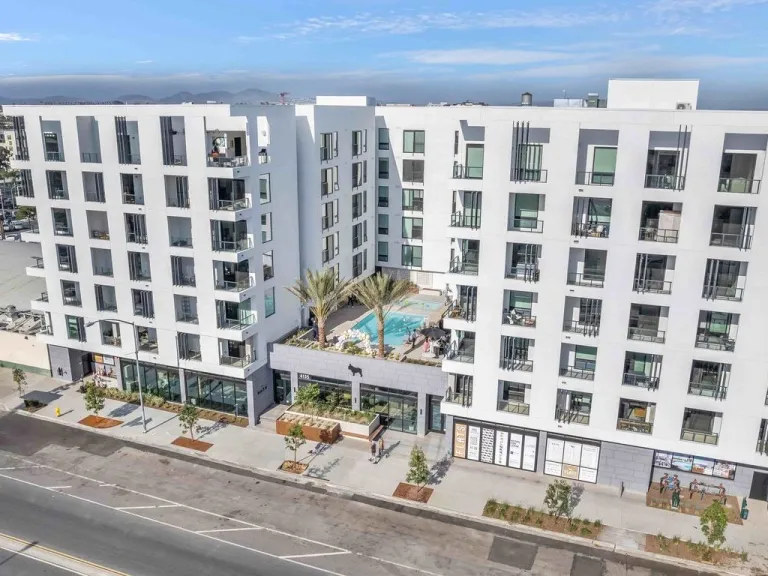
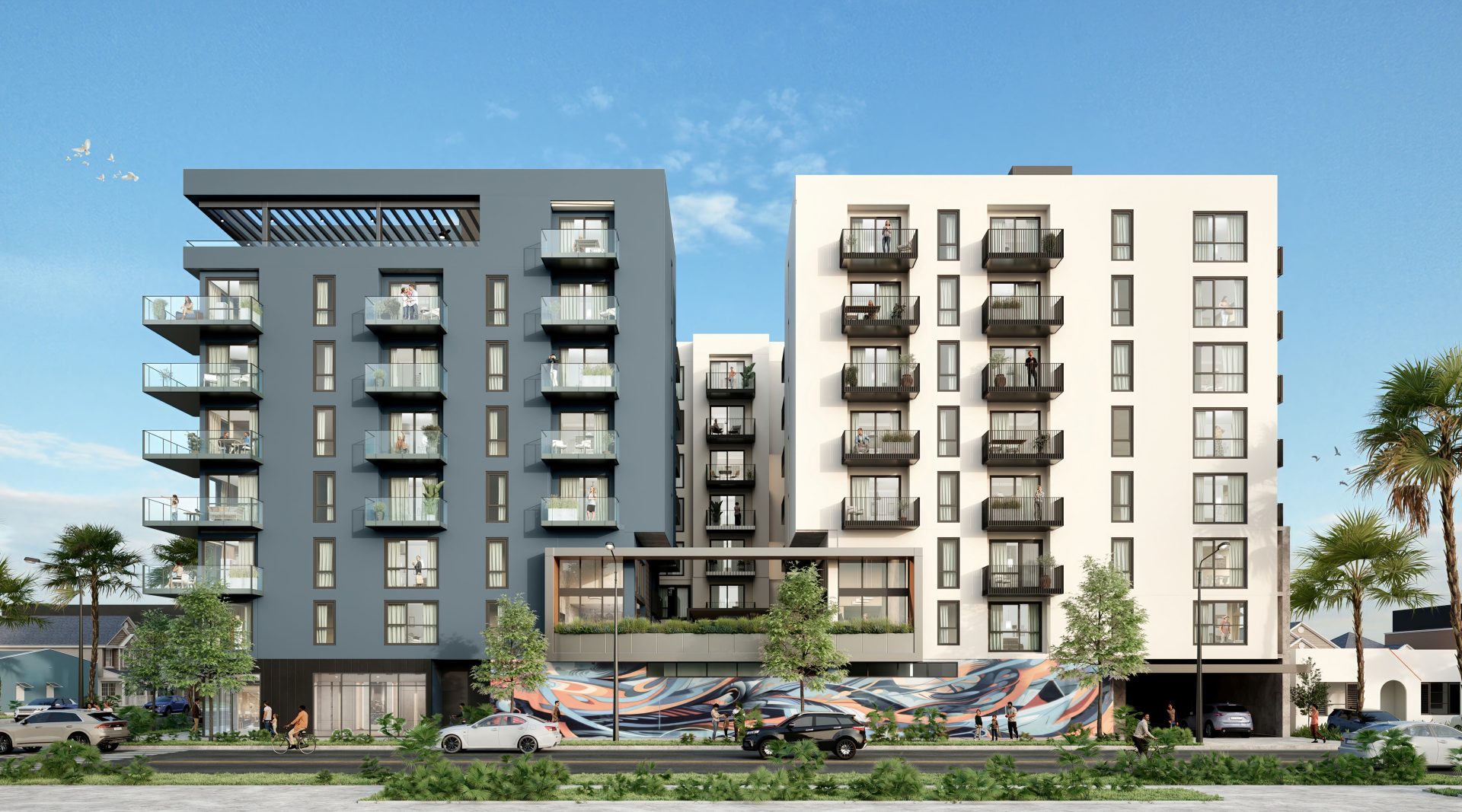
This spring more than 600 apartments are opening in two new high-end residential properties. The Myles, a five-story complex is in the southwestern corner of the neighborhood. At the eastern edge is Gemma, whose three, seven-story buildings have retail space on the ground floor. Two additional buildings with several hundred more apartments are currently in the works, according to the City of Las Vegas.
These follow several new downtown residential rental developments that have opened just north of the Arts District. That’s where Juana Jimenez, a Las Vegas native, lives. Yet Ms. Jimenez, an assistant manager with the company that developed Gemma, prefers to hang out in the Arts District. She said its small-town feel is distinctive in Las Vegas. Everyone who works or lives here knows each other, she added.
In many ways, today’s Arts District is similar to the Wynwood Arts District in Miami or the Williamsburg waterfront in Brooklyn in their early days. Both are once-industrial, arts-focused communities that grew into some of the most coveted (and crowded) places to live or visit in their cities.
These are also places where existing residents still debate the changes (and worry about a higher cost of living) that come with each new phase of growth. Josh Kellman, the president of the 18b Arts District, a nonprofit neighborhood association, is one of the people currently leading these discussions. (The Arts District was originally 18 blocks, and is still known by locals as “18b.”)
Most of the organization’s members look forward to new residents, said Mr. Kellman. They’re more invested in the community than visitors, spend money locally, and may drive the arrival of much needed residential amenities like a supermarket, said Mr. Kellman.
The city is also helping to steward the area’s growth, he said. It recently surveyed residents and business owners about their needs and concerns. These included the challenges of living in an area with a high concentration of homelessness and the lack of parking. Not surprisingly, the biggest worry was housing affordability, said Mr. Kellman. “We don’t want to price out artists who want to live here,” he said.
With that in mind, the city is requesting proposals from developers to turn a 1.23 acre empty lot it owns into affordable housing and studio space for local artists.
Mr. Kellman moved to the neighborhood from a suburb of Las Vegas with his family five years ago, in part to be in the historic core of the city. Like most who live or work here, he wants to make sure the distinctive character of the district remains.
That includes the midcentury commercial architecture, the artists who were initially drawn to it and the nightlife that followed — like the longstanding chaos of a First Friday street festival and streets dense with bars.
“We are a little bit loud,” said Mr. Kellman.
Going Out and About
- Restaurants and Bars: For breakfast or lunch, Makers & Finders cafe, known for coffee and Latin American breakfasts like arepas. Or get a sandwich and a street corn Cobb salad at Vesta Coffee Roasters. For dinner, have the house-made sourdough or pasta at Esther’s Kitchen or a steak at Main Street Provisions. Sit outside with natural wine, cheese and charcuterie at Garagiste. Bars are abundant, but try the Velveteen Rabbit, a baroque cocktail lounge.
- Culture: The massive Arts Factory, a converted warehouse, is filled with both working artists and galleries. Art Square has galleries shops and food. Plays are produced at the Majestic Repertoire Theater. The new Southern Nevada Art Museum’s offerings are both historical and contemporary. The monthly First Friday festival includes food, art and music.
- Shopping: Vintage clothing and antique shops abound.
Getting There, Getting Around
- Car: The neighborhood is bordered by Interstate 15, which makes it easy to get to anywhere in the city or beyond.
- Public Transportation: The monorail, which runs from the Strip to the convention center, has a stop about a mile away. The Deuce double-decker bus service runs up South Las Vegas Boulevard between the Strip and Downtown. A municipal bike share program has several stations in the Arts District. Amtrak trains do not serve Las Vegas, but buses do.
- Airports: Harry Reid International Airport is about 20 minutes away by car.
Housing
- Average monthly rent: About $1,000 for a studio to $2,500 for a three bedroom
- Median sale price: $570,000 (Redfin, March 2026)
- More: Redfin
Schools
Public Schools: The Clark County School District operates Las Vegas Academy of the Arts, a magnet high school in the district. Rex Bell Elementary School and Las Vegas High School are some of the other schools serving students in the neighborhood. The city also has more than a dozen private grade schools.
Higher Education: Las Vegas’s many public and private colleges and universities include the University of Nevada, Las Vegas (UNLV), the College of Southern Nevada community college system and Nevada State University.
Ready To Get Started?
News
Explore more related posts with insights, stories, and updates on the latest from CEDARst.